Posts

GLAUCOMA–SILENT THIEF OF SIGHT
Image
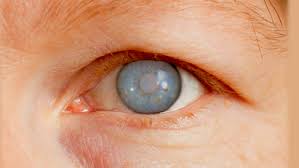
Glaucoma is the leading cause of blindness mostly in elderly population . It is a silent, painless, progressivedisease that worsens with age in turn  affects the optic nerve and have a tendency to follow the lineages. The condition many a times remain asymptomatic and then at sudden speed up from vision loss to permanent total blindness. What can lead to Glaucoma? This often happens due to raised intraocular  pressure  that in turn is result of multiple pathological conditions or due to physiological ageing.  The channel through which aqueous humor in eye gets blocked at times and this results in stagnation of fluid; this build up the intraocular pressure resulting in compression of option nerve ; thus glaucoma. There are other causes that have less chances to land up in glaucoma which can be injury to eye by a blunt object, infections of eye , chemicals in eye , ischemic end arteries of eye or severe inflammation.  Who are more prone? ...
SQUINT

Image
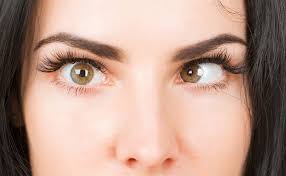
Medically known as strabismus, squint is a very common Ophthalmological issue in which the eyes shows disturbed alignment.The affected eye does not sync with the focus and turn in either direction. The squint may show constant or intermediate effect on gaze. Why does this happen: The extra ocular muscles of eyes are responsible for eye movements,  especially the eye ball. Interruption in working or either the muscles or the nerve supplying them results in the misalignment  of gaze. In some cases it may be due to the underlying neurological problems that results in incoordination , an injury to cranial nerve, due to a refractive defect or may  be an inherited defect. In cases of neurodevelopmental disorders like hydrocephalus or infections such as  measles. The alarming symptoms : It can be detected at a young age either since birth or in initial 6 months when one eye does not look straight to a greater extent,  Cross eye phenomena can be mar...

Contact Lenses and Eye Infections

Image
Contact lenses are a convenient and comfortable alternative to eyeglasses for many people. But you can't wear them all the time. And if you don't clean and care for them correctly, you're more likely to get eye infections. People who wear contact lenses have a higher risk for keratitis, an infection of the cornea, the clear outer covering of your eye. They're also called corneal ulcers. Viruses, bacteria, fungi, and a rare but serious eye parasite can cause keratitis. It's also easier for you to catch pinkeye, or conjunctivitis, when you wear contacts. These infections come from a bacteria or virus in the thin membrane covering the white part of your eye and the inside of your eyelids. Eye Infection Symptoms Stop wearing your contact lenses immediately if you have these symptoms: Redness Swelling Extra tears or sticky, gooey stuff from your eye Blurry vision Light sensitivity Itching, burning, or a feeling that something's in your ey...

Why Is There Gunk in My Eye?

Image
Do you know that you blink 10-20 times a minute? Every time it happens, your eyes get a few milliseconds of protection and quick moisture bath. Blinking also washes away the mucus your eyes make all day long. When you're asleep, you don’t blink that gunk away. It collects in the corner of your eye closest to your nose -- where your lashes meet your eyelid. The proper name for it is rheum, but you probably call it sleep. You might spot cream-colored mucus from time to time. That's also normal. It forms when an irritant, like sand or dirt, gets in your eye. But eye discharge can signal something you can’t blink or wipe away. Pinkeye. Your eyelid is lined with a see-through membrane called the conjunctiva. It also covers the white part of your eyeball. This layer is full of tiny blood vessels you normally can't see. When they get infected, the whites of your eyes look red or pink, hence the name pinkeye. Your doctor could also call it conjunctivitis. I...

Dry Eye After LASIK

Image
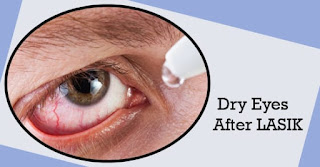
Your LASIK surgery went well and your vision is much improved. But your eyes are dry and itchy. Don’t be surprised. Dry eye is the most common complication for LASIK. About 95% of people report dry eye symptoms just after the procedure. But LASIK itself isn’t often the trigger for the dry eye. Nearly half to three-quarters of the people reporting dry eye had symptoms of it before the surgery. Dry eye after LASIK typically gets better over time. But in rare cases, LASIK can lead to severe and chronic dry eyes. Will You Have Dry Eye? While long-term dry eye is rare, there’s no way to predict whether you’ll have dry eye after LASIK or how long the symptoms will last. But certain things may make it more likely for you to have dry eye after LASIK: You had dry eye before LASIK. You are female. You are of Asian descent. You wear contacts. You have diabetes. You were very nearsighted before LASIK or had vision corrected to a high degree. CONTINUE READING BELO...

What to Expect From Cataract Surgery?

Image
If your vision gets cloudy because you have a cataract, your doctor may suggest surgery to remove the lens of your eye and replace it with an artificial one. It's a common and safe procedure, and when it's done, you'll be able to see better. Who Should Have Surgery? If you have a cataract, that doesn't always mean you need surgery. You may not even notice any change in your vision. Some people who have this condition see just fine if they wear prescription glasses, use a magnifying lens, or rely on brighter lighting. But as cataracts grow, they can cause more symptoms. You could have dim or blurred vision. You may also have double vision when you look at things through the eye with the cataract. These problems can make it hard to read, work on a computer, and do anything else that calls for clear eyesight. You may have poor night vision and find it harder to drive when it's dark. You may be sensitive to glare from headlights. People with advanced...

What are the benefits of LASIK eye surgery?

Image
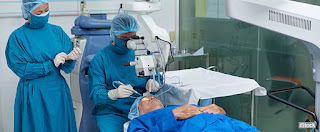
LASIK has many benefits, including: It corrects vision. Around 96% of patients will have their desired vision after LASIK. An enhancement can further increase this number. LASIK is associated with very little pain because of the numbing drops that are used. Vision is corrected nearly immediately or by the day after LASIK. No bandages or stitches are required after LASIK. Adjustments can be made years after LASIK to further correct vision if vision changes while you age. After having LASIK , most patients have a dramatic reduction in eyeglass or contact lens dependence and many patients no longer need them at all. What should I expect after LASIK eye surgery? Your eyes will temporarily be dry even though they do not feel that way. Your doctor will give you prescription eye drops to prevent infection and inflammation and eye drops to keep your eyes moist. These drops may cause a momentary slight burn or blurring of your vision when you use them. Do not use any eye drops ...